
Key Points
- Larger runners face unique challenges but consistency and starting are key to progress.
- Proper footwear, gradual distance increases, and strength training are crucial for injury prevention.
- “JUST START. If you do not start, you will never know what you are seeking.”
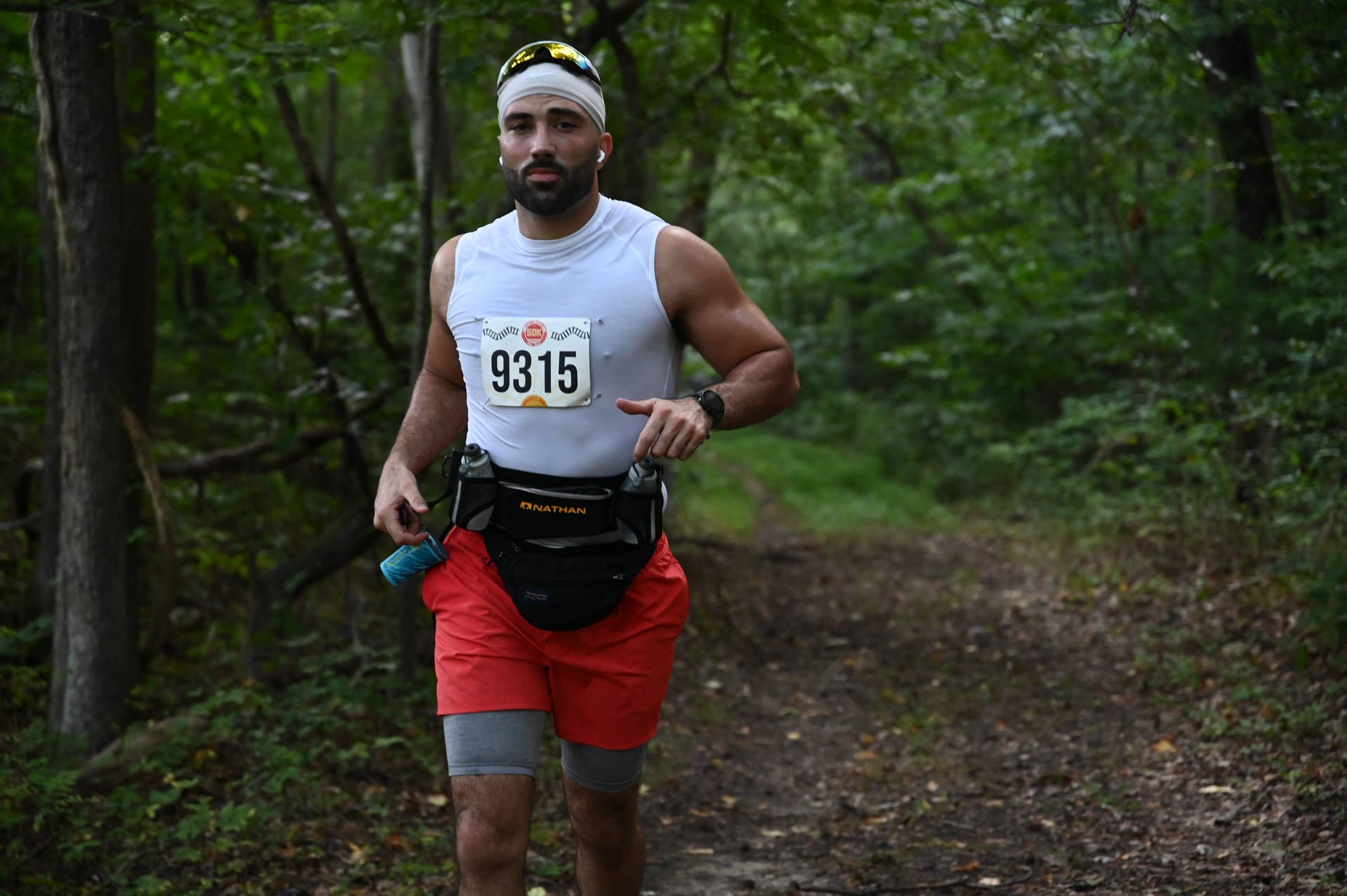
Running has a way of humbling everyone the same, no matter what the scale says. But for athletes carrying 225 pounds or more onto the pavement or the trail for the first time, the sport comes with a specific set of obstacles nobody talks about enough. Contributor Garry Nelson Jr.(Tykie) knows those obstacles firsthand. He has taken his own journey from a heavier starting point to technical, climb-heavy ultramarathons, and along the way he has learned exactly what works, what doesn’t, and what every larger runner should know before lacing up.
Below, Tykie answers the questions bigger athletes actually ask about starting a running habit, training smart, and building the strength to handle real distance.
What Is the Hardest Part of Running at a Heavier Weight?
For Tykie, the challenge was never the running itself. It was getting out the door.
“At my current weight the biggest challenge I had to overcome was getting up to run,” he says. “Like most, running isn’t enjoyable. However, the process of running and finalizing the run is.” He describes the start as the most punishing part, especially above 250 pounds, when every pound of bodyweight makes those first slow steps feel heavier than they are. The payoff, he says, comes later. “When you get some distance, and the weight drops, the reward is awesome.”
The Biggest Mistake Larger Runners Make When They Start
Tykie points to two culprits: going too far too soon, and wearing the wrong shoes. “I thought training shoes were ‘running’ shoes and that was wrong,” he explains. Between his high arches and the impact of pavement, the wrong footwear left him dealing with sore feet and runner’s knee almost daily. It is a mistake he sees repeated constantly among new runners carrying extra weight, and one that a proper running shoe fitting can solve immediately.
Advice for Running Your First 5K at 225+ Pounds
Tykie’s advice for anyone at 225 pounds or heavier eyeing a first 5K is refreshingly simple: sign up and stop worrying about your time. “Just go out there and compete,” he says. “You will be surprised who is toeing that line, and I promise you it is not who you think. Everyone of all ages and sizes try to prove something to themselves and just finish.”
How to Train for a Half Marathon or Marathon at a Heavier Weight
The advice scales up from there, but the philosophy stays the same. T-Time recommends building through training blocks, a 5K, then a 10K, then a 10 miler, before attempting a half or full marathon. Interestingly, he does not believe in training to the full race distance. “I rarely ever train to the distance I run,” he says. “I have never run 13.1 when training for a half. You will be surprised how many people do not train at a distance.”
Why Strength Training Matters for Bigger Runners
Because T-Dizzy’s races tend to be technical ultras with real climbs, strength training is not optional in his program. “Strength training is imperative to me due to the trails and inclines I run,” he says. He points out that most runners neglect the weight room entirely, which limits both their physical durability and their ability to handle demanding terrain. Lifting, in his view, is what prevents the stereotypical “skinny runner” build and instead builds the legs and mental toughness needed for climbs, descents, and technical footing.
The Role of Recovery in a Heavier Runner’s Training
Tykie is candid that recovery is his weakest link. “I am terrible at properly recovering,” he admits. Still, he builds rest days into his schedule, particularly during two-a-day training blocks or the weeks when his mileage climbs into the 40 to 50 mile range, to give his legs a chance to recoup from the pounding.
What a Real Training Week Looks Like
A typical week for Ty-Dolla runs about five miles a day, five days a week, with lifting sessions mixed in four to six days depending on mileage. When he is building toward a distance race, his weekly mileage can jump to 40 or even 50 miles. It’s a level of consistency that reflects his central philosophy on the sport.
The One Thing Tykie Wishes He Knew Before He Started Running
If there is one lesson T$ wants every new runner to hear, it’s about consistency. “The real journey and reward come from doing it daily, and the compound interest that comes with it,” he says. He warns against celebrating a single good run without following it up. “If you celebrate one day of running without running the next few days, then it will not provide you with the satisfaction and reward, if you do it daily, in my opinion.” For Tykie, staying committed on the trails and the road is what revealed the most about who he is.
Garry Nelson Jr.’s Running Gear Essentials
Gear matters, especially for bigger runners whose joints absorb more impact per stride. Here is what Tykie relies on:
• Running Shoe (Pavement): Brooks Men’s Glycerin Max 2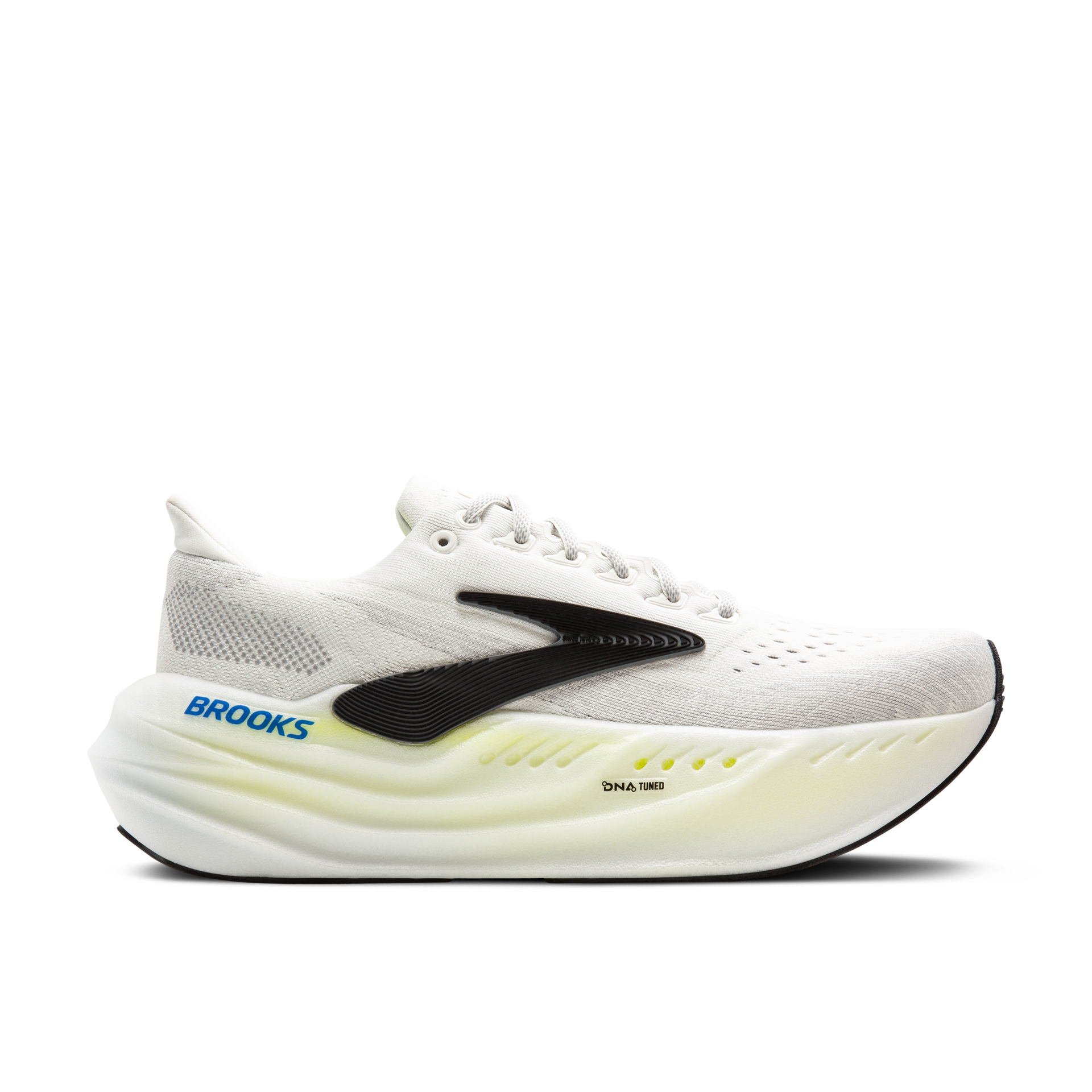
• Running Shoe (Trail): Hoka Men’s Mafate 5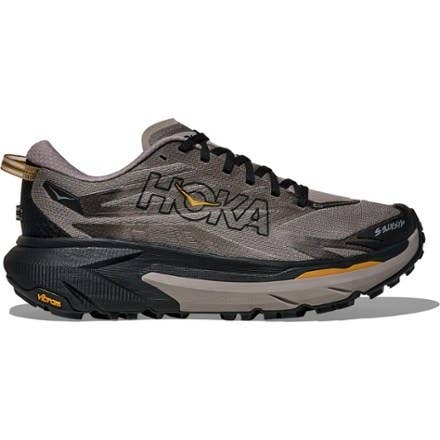
• Recovery Tool: Bella Home Plunge 
• Hydration Product: LMNT Sugar Free Electrolyte Packs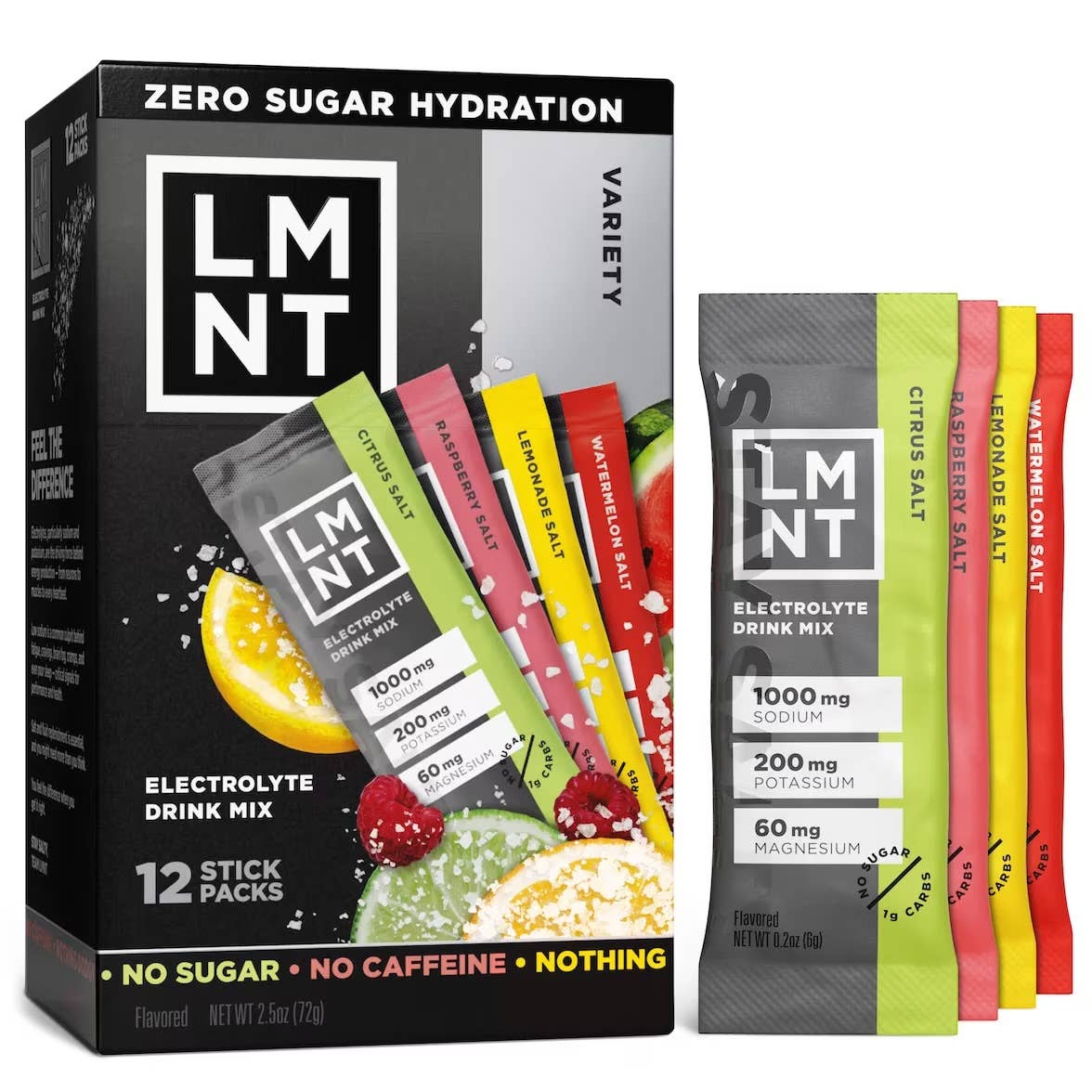
• Nutrition Product: A banana and a Maurten Gel 
• Running Accessory: Salomon Hydration Vest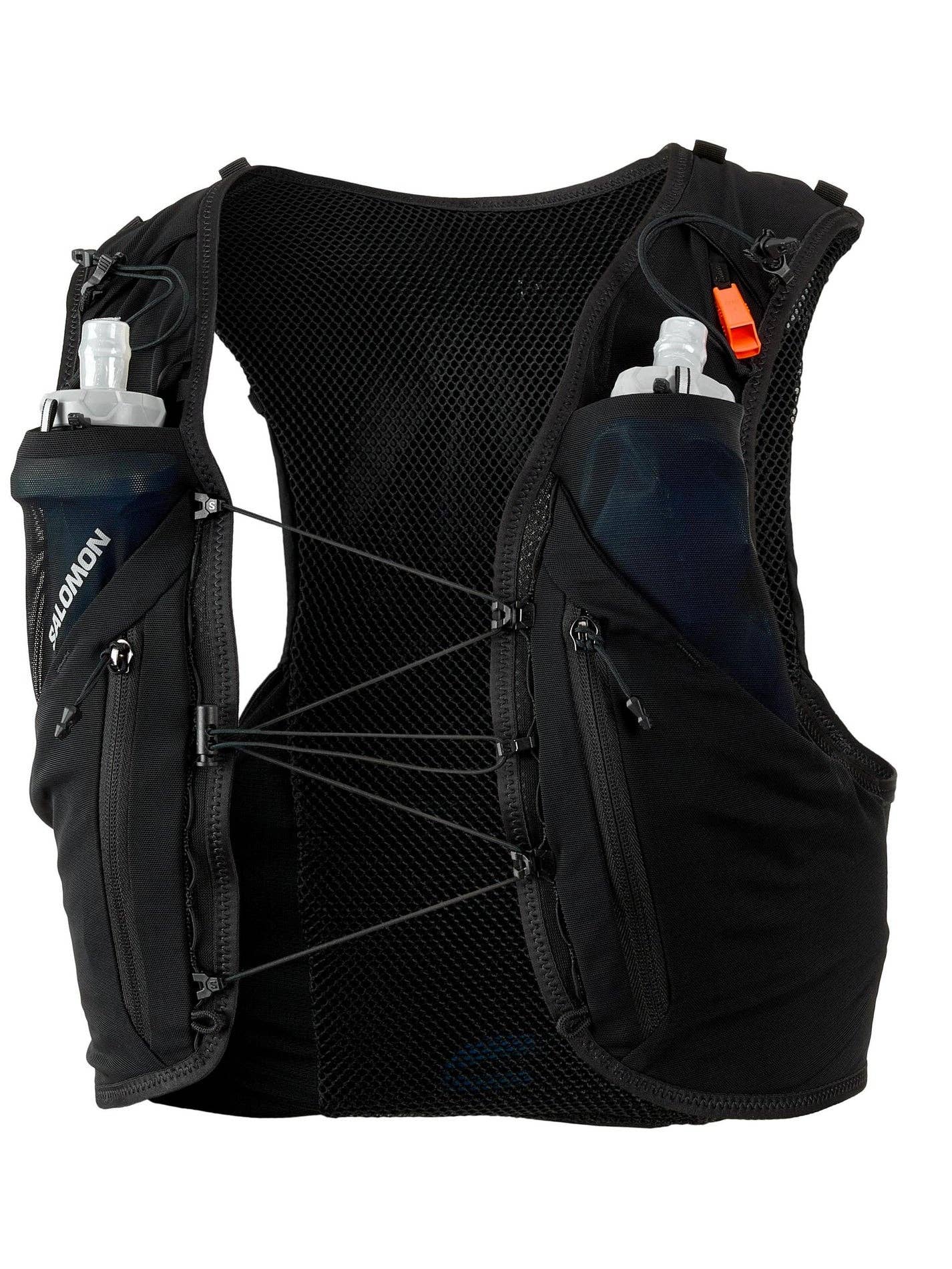
• One Product Every Bigger Runner Should Own: DISTANCE CARBON Z FKT POLES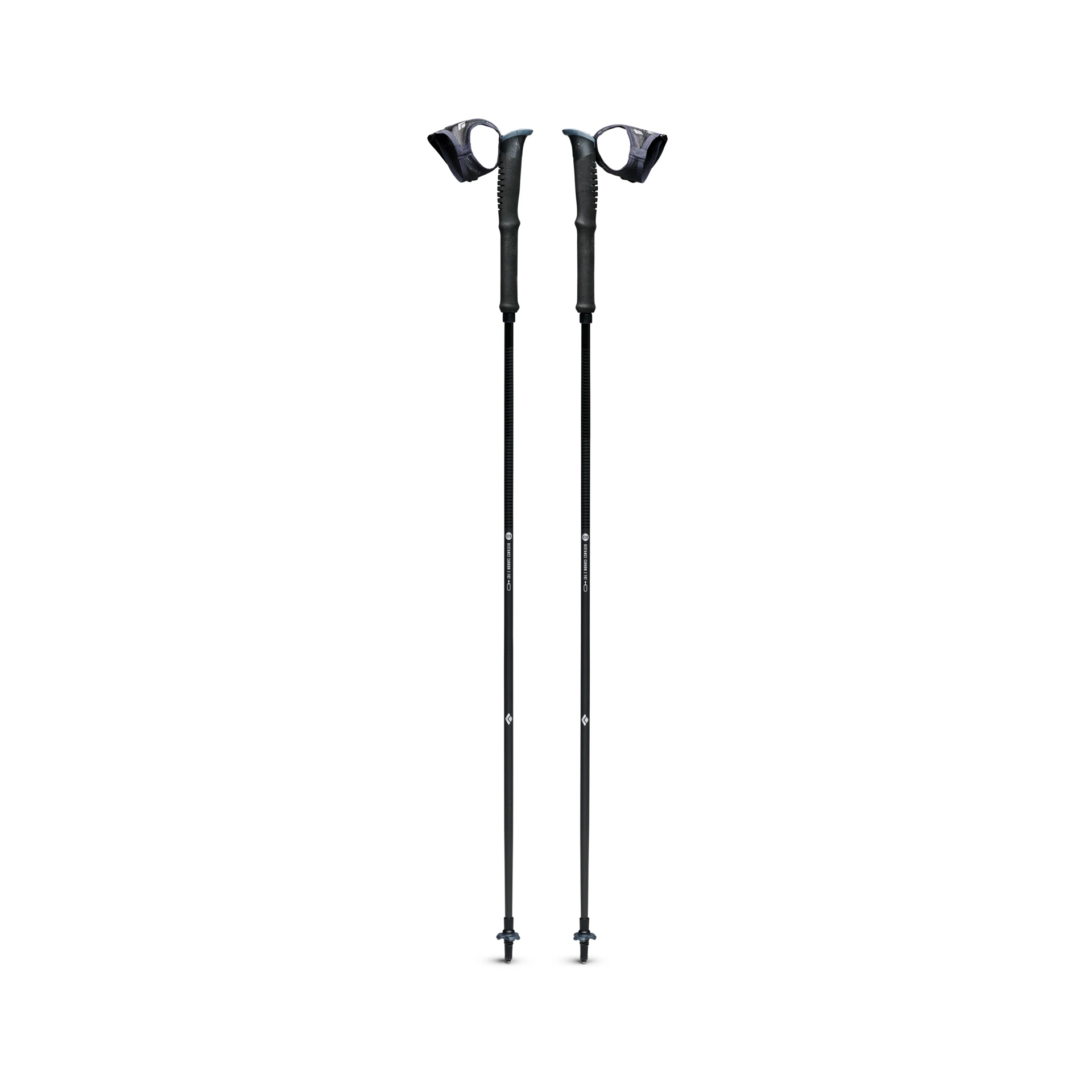
T’s Final Piece of Advice for Every Larger Athlete
Asked for the one piece of advice he would give every larger athlete thinking about starting today, Tykie doesn’t hesitate. “JUST START. If you do not start, you will never know what you are seeking. If you do start, I promise you, along with losing weight, you will find more out about who you are than you would have ever imagined. There are no negatives to running, only positives.”
As T puts it: is today day one, or will it be one day?